Bee venom and the fight against cancer: science confirms a powerful
effect against aggressive breast tumors, but still far from a definitive cure
April
28, 2026, Editorial.
A real, solid, and scientifically
relevant discovery
This is not a “cancer cure,” but
rather a peer-reviewed preclinical study published in the scientific journal npj Precision Oncology (Nature
Portfolio), where researchers demonstrated that honeybee venom, and in particular its main active peptide
called melittin, destroyed highly aggressive breast cancer cells in the laboratory, with rapid and selective
effects. The study was led by scientists from the Harry Perkins Institute of Medical Research, the University
of Western Australia, and other Australian centers. The lead author was Ciara Duffy, under the supervision
of Professor Kirsten J. Cowell and international collaborators. The important thing is not only that
the venom killed tumor cells, but how it did so: by blocking critical molecular pathways of cancer growth
and damaging the cell membrane of difficult-to-treat tumors.
What
exactly did they discover?
Researchers analyzed the effect of
Apis mellifera (European honeybee) venom on different types of breast cancer, especially two clinically
complex subtypes:
1. Triple-negative breast cancer (TNBC)
This is one of the most aggressive tumors. It does not express hormone receptors or HER2, which limits targeted therapies.
2. HER2-enriched cancer
This type of cancer overproduces the HER2 protein, which is associated with accelerated tumor growth.
In laboratory tests, melittin destroyed these cells in less than an hour at specific concentrations. Furthermore, within 20 minutes, it altered intracellular signaling pathways essential for tumor proliferation.
1. Triple-negative breast cancer (TNBC)
This is one of the most aggressive tumors. It does not express hormone receptors or HER2, which limits targeted therapies.
2. HER2-enriched cancer
This type of cancer overproduces the HER2 protein, which is associated with accelerated tumor growth.
In laboratory tests, melittin destroyed these cells in less than an hour at specific concentrations. Furthermore, within 20 minutes, it altered intracellular signaling pathways essential for tumor proliferation.
What is melittin?
Melittin is a 26-amino-acid peptide that makes up 40% to 50% of the dry weight of
bee venom. It is the molecule responsible for the pain after a sting.
From a medical biotechnology perspective, melittin is of interest because it possesses: cytolytic activity (it breaks down cell membranes), anti-inflammatory action under certain conditions, antimicrobial activity, and is a potential experimental antitumor agent.
Previous studies had already suggested activity against melanoma, lung, ovarian, and pancreatic cancer, but this work provided a more robust mechanistic explanation in breast cancer.
From a medical biotechnology perspective, melittin is of interest because it possesses: cytolytic activity (it breaks down cell membranes), anti-inflammatory action under certain conditions, antimicrobial activity, and is a potential experimental antitumor agent.
Previous studies had already suggested activity against melanoma, lung, ovarian, and pancreatic cancer, but this work provided a more robust mechanistic explanation in breast cancer.
How does it attack cancer cells?
1. Tumor
membrane perforation
Melittin interacts with altered cell membranes, common in malignant cells, creating pores that compromise their integrity.
2. Growth receptor blockade
The study showed inhibition of:
3. Chemotherapy potentiation
In animal models, the combination of melittin with docetaxel achieved better tumor control than either treatment alone.
Melittin interacts with altered cell membranes, common in malignant cells, creating pores that compromise their integrity.
2. Growth receptor blockade
The study showed inhibition of:
- EGFR (Epidermal Growth Factor Receptor)
- HER2 (Human Epidermal Growth Factor Receptor 2)
3. Chemotherapy potentiation
In animal models, the combination of melittin with docetaxel achieved better tumor control than either treatment alone.
Why does this
matter in precision medicine?
Modern oncology is moving towards
treatments capable of targeting specific tumor vulnerabilities. Melittin is attractive because: it acts
on relevant molecular targets; it can be combined with standard therapies; it could be chemically modified
to improve safety; and it can be integrated into medical nanotechnology. This fits with the global trend
of Precision Oncology, where treatment depends on the biology of the tumor, not just the affected organ.
The real challenge: turning a poison into medicine
This
is where the news is often oversimplified.
Just because a molecule works in cells or mice doesn't mean it's ready for humans. The main problem with melittin is its systemic toxicity. Melittin can damage red blood cells, healthy membranes, heart tissue, kidneys, and the immune system. Furthermore, there is a risk of anaphylaxis, severe inflammation, local pain, and allergic reactions. Therefore, no one in reputable medicine is yet proposing "using bee stings" as therapy.
Just because a molecule works in cells or mice doesn't mean it's ready for humans. The main problem with melittin is its systemic toxicity. Melittin can damage red blood cells, healthy membranes, heart tissue, kidneys, and the immune system. Furthermore, there is a risk of anaphylaxis, severe inflammation, local pain, and allergic reactions. Therefore, no one in reputable medicine is yet proposing "using bee stings" as therapy.
The
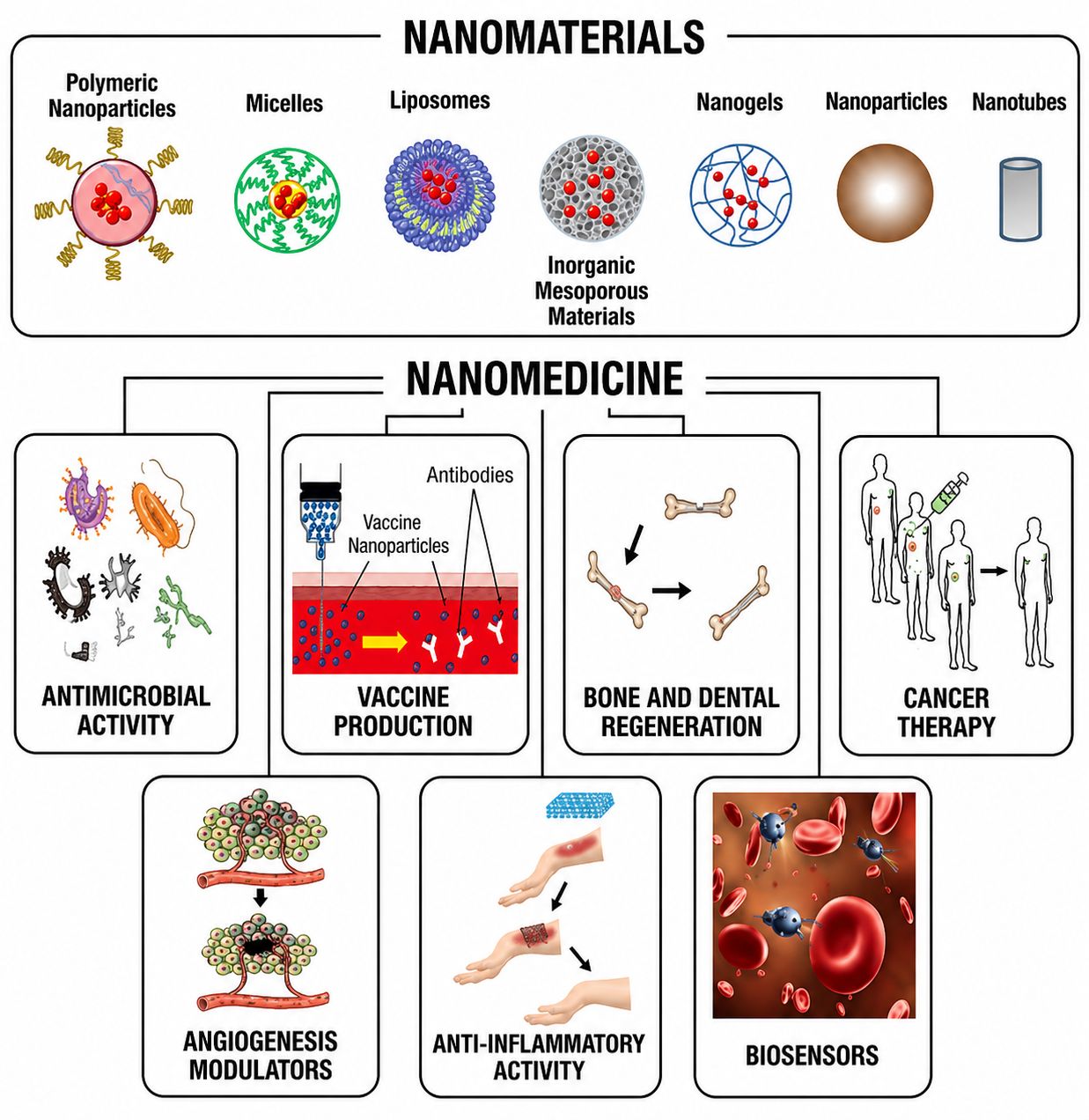
technological solution: nanoparticles and smart drugs
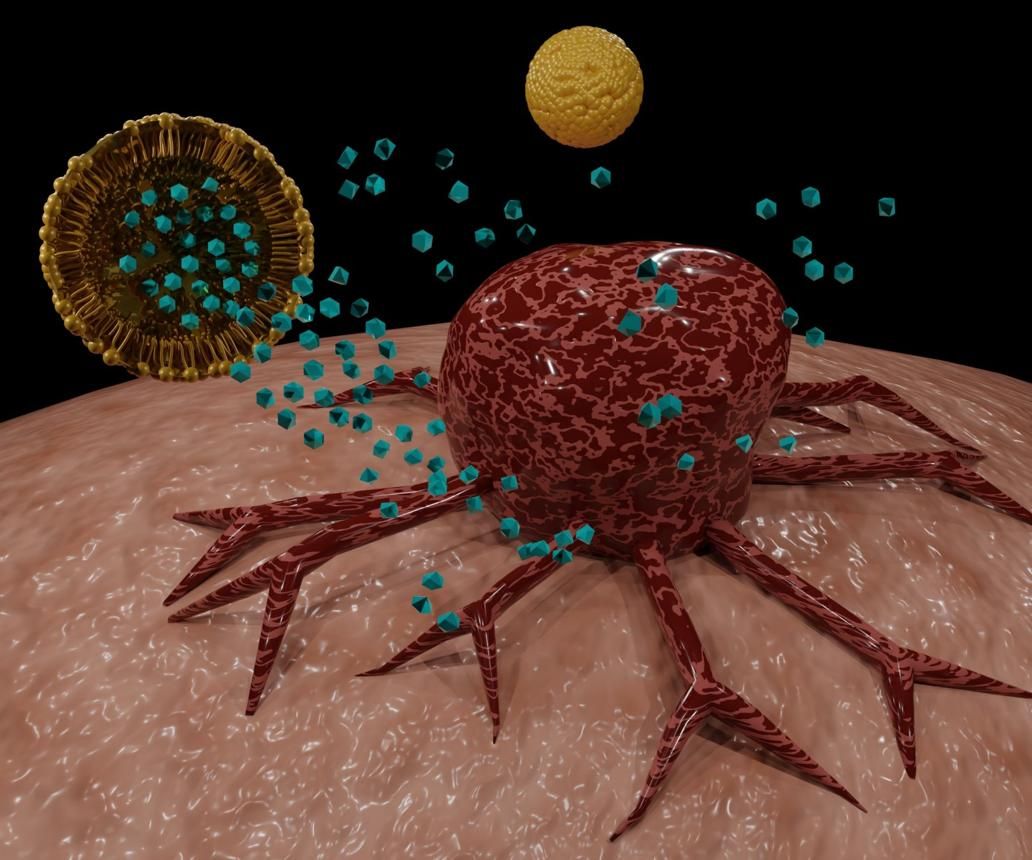
Nanoliposomes
Small lipid vesicles that release the molecule only in the tumor.
Targeted nanoparticles
With antibodies that recognize HER2 or EGFR.
Redesigned synthetic peptides
Modified versions with less toxicity and greater selectivity.
What the accumulated scientific
evidence says
A review published in Toxins (2022) concluded
that components of bee venom showed anticancer effects in breast cancer models through apoptosis, selective
cytotoxicity, gene regulation, cell lysis, and enhanced tumor targeting, but also noted that robust human
clinical trials are still lacking.
Currently, there is no approved oncology drug based on melittin for breast cancer. To move forward, the following are required:
If melittin can be formulated safely, it could be used in resistant triple-negative breast cancer, HER2+ relapses, in combination with chemotherapy, for localized administration after surgery, and in drug-resistant tumors.
Researchers have shown that melittin, the main component of bee venom, destroys aggressive breast cancer cells in preclinical models and could inspire future precision cancer therapies; it is not an immediate cure. It is a serious biotechnological promise that combines nature, molecular pharmacology, and the medicine of the future.
Currently, there is no approved oncology drug based on melittin for breast cancer. To move forward, the following are required:
- Extensive toxicological studies
- Phase I trials (human safety)
- Phase II trials (preliminary efficacy)
- Comparative phase III trials
- FDA/EMA regulatory approval.
If melittin can be formulated safely, it could be used in resistant triple-negative breast cancer, HER2+ relapses, in combination with chemotherapy, for localized administration after surgery, and in drug-resistant tumors.
Researchers have shown that melittin, the main component of bee venom, destroys aggressive breast cancer cells in preclinical models and could inspire future precision cancer therapies; it is not an immediate cure. It is a serious biotechnological promise that combines nature, molecular pharmacology, and the medicine of the future.
References:
- Duffy C. et al. Honeybee venom and melittin suppress growth factor receptor activation in HER2-enriched and triple-negative breast cancer. npj Precision Oncology (2020).
- Kwon N.Y. et al. Anticancer Activity of Bee Venom Components against Breast Cancer. Toxins (2022).
- Medical News Today summary and expert commentary.
Practice makes perfect