
Urine could become one of the most valuable tools for detecting pancreatic
and prostate cancer before it's too late
April 29, 2026, Editorial.
A silent revolution in cancer diagnosis
For
decades, medicine has relied on blood tests, medical imaging, and invasive biopsies to identify tumors.
However, a new technological frontier is emerging from something much simpler and more commonplace: urine.
Researchers in Europe, the United States, and Asia are developing advanced urine tests capable of detecting
molecular signals of pancreatic and prostate cancer, two diseases with enormous diagnostic challenges.
The promise is extraordinary: less invasive, more convenient, cheaper, and potentially earlier screenings.
The reason is biological. Tumors release proteins, tumor DNA, RNA, metabolites, and microscopic vesicles
that can end up filtering into the urine. Today, thanks to molecular biology, artificial intelligence,
and diagnostic nanotechnology, these traces can be precisely measured.
The
big problem with pancreatic cancer: it almost always comes too late
Pancreatic
cancer is one of the deadliest cancers in the world. According to GLOBOCAN and the American Cancer Society,
its overall five-year survival rate remains low because most cases are detected when local invasion or
metastasis has already occurred. This happens because the initial pancreatic tumor usually grows without
clear symptoms. When signs such as weight loss, jaundice, or abdominal pain appear, the disease is often
advanced. Therefore, any test capable of detecting it earlier can radically change the prognosis. A key
study published in Clinical Cancer Research identified a urinary panel based on three biomarkers—LYVE1,
REG1A, and TFF1—capable of differentiating early pancreatic cancer from healthy controls and other pancreatic
diseases. The work was led by researchers from the Barts Cancer Institute, Queen Mary University of London,
and international collaborators. The authors suggested that this urinary signature could detect some
cases up to two years before conventional diagnosis, opening a crucial therapeutic window.
How does a urine test for detecting cancer work?
 Medical logic is elegant. The tumor
alters metabolism and releases specific compounds into the body. Some of these compounds circulate in
the blood, are filtered by the kidneys, and appear in the urine.
Medical logic is elegant. The tumor
alters metabolism and releases specific compounds into the body. Some of these compounds circulate in
the blood, are filtered by the kidneys, and appear in the urine.Modern laboratories look for signals such as:
Tumor proteins: molecules produced in excess by malignant cells.
MicroARN: small regulatory sequences altered in cancer.
Cell-free tumor DNA: genetic fragments shed from the tumor.
Exosomes: nanoparticles released by cancer cells with an identifiable molecular charge.
Metabolites: chemical changes resulting from tumor growth. Subsequently, statistical algorithms or AI models analyze combinations of multiple markers, since a single biomarker is rarely sufficient.
The case of prostate cancer: more accurate than
PSA
Prostate cancer is one of the most frequently diagnosed
tumors in men. For years, the dominant tool was PSA (prostate-specific antigen), a useful but imperfect
blood test. The problem with PSA is that it can also be elevated by: benign prostatic hyperplasia, inflammation,
infection, and prostate manipulation. This leads to thousands of unnecessary biopsies each year. This
is where urine tests are showing advantages. PCA3: one of the first clinical urinary biomarkers. The
PCA3 test, approved in several markets, detects prostate cancer-associated RNA in urine following digital
prostate massage. It was one of the first real-world examples of urinary cancer diagnosis.
SelectMDx, ExoDx, and other modern systems
New platforms combine urinary genes, exosomes, and clinical algorithms to estimate the risk of aggressive cancer. Studies published in European Urology and other journals show improved ability to select who needs a biopsy.
This not only improves accuracy but also reduces anxiety, costs, and invasive procedures.
SelectMDx, ExoDx, and other modern systems
New platforms combine urinary genes, exosomes, and clinical algorithms to estimate the risk of aggressive cancer. Studies published in European Urology and other journals show improved ability to select who needs a biopsy.
This not only improves accuracy but also reduces anxiety, costs, and invasive procedures.
Technology
behind the advance: from the classic laboratory to computational medicine
What
makes this revolution possible is not just the urine sample itself, but the tools that analyze it today.
Genetic sequencing allows the detection of minute mutations. Mass spectrometry identifies proteins at
ultralow concentrations. Nanostructured biosensors capture biomarkers with unprecedented sensitivity.
Artificial intelligence finds patterns invisible to the human eye. In other words: urine hasn't changed;
our ability to read it has.
Can a urine sample detect cancer
before a CT scan?
In some cases, potentially, yes, especially
if the tumor is still small but metabolically active. However, experts emphasize that these tests do
not automatically replace imaging or biopsies. The most likely scenario is a combined model: urine screening
test; if there is high risk, MRI or CT scan; histological confirmation when necessary. This stepwise
approach would be more efficient and less aggressive for millions of patients.
Outstanding scientific obstacles
Although the
results are promising, real challenges remain.
Urine composition changes due to hydration, diet, medications, exercise, and benign diseases. Furthermore, a biomarker that is useful in one population may not perform as well in another.
Standardization is also needed, including sampling timing, preservation, processing, diagnostic thresholds, and international multicenter validation; therefore, many tests are still in the clinical or pre-commercial phase.
Urine composition changes due to hydration, diet, medications, exercise, and benign diseases. Furthermore, a biomarker that is useful in one population may not perform as well in another.
Standardization is also needed, including sampling timing, preservation, processing, diagnostic thresholds, and international multicenter validation; therefore, many tests are still in the clinical or pre-commercial phase.
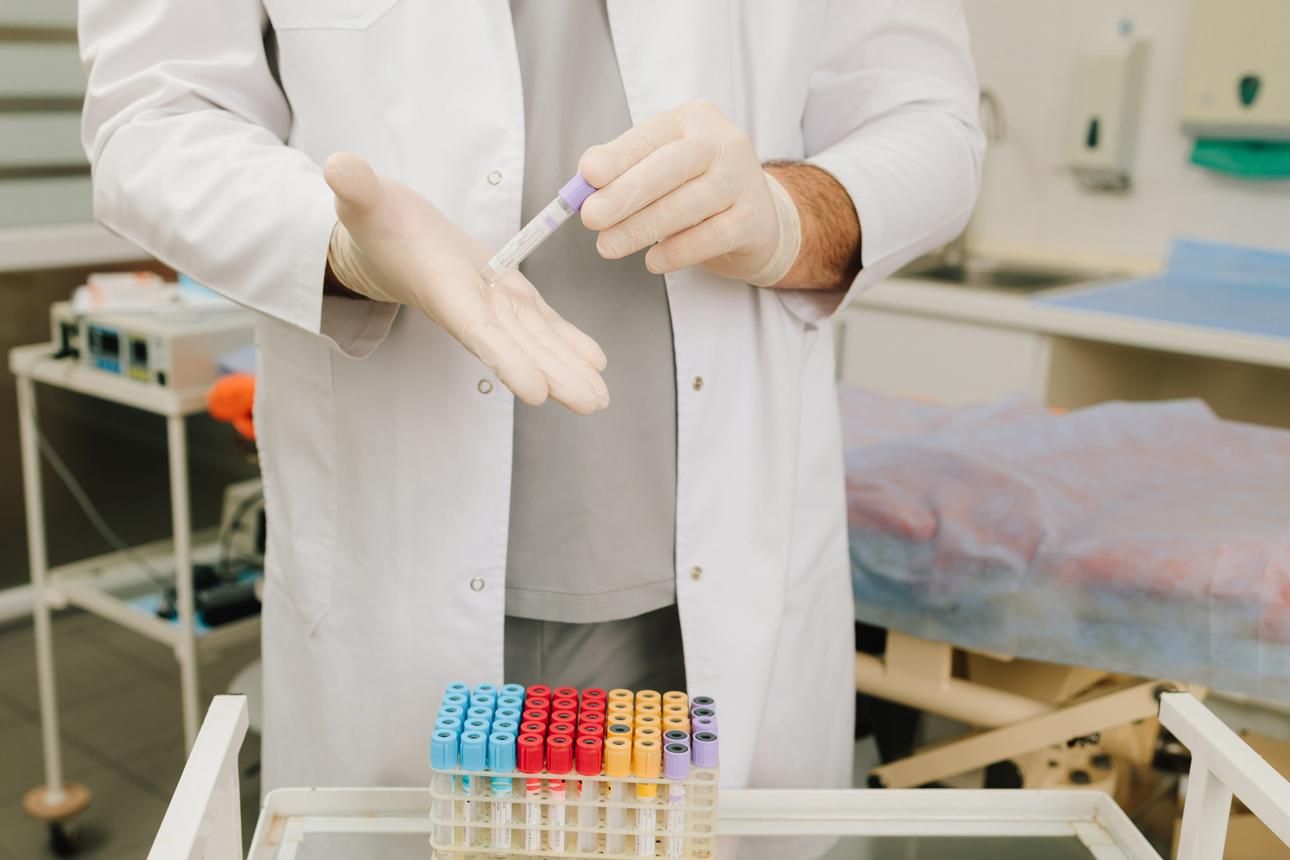
The
potential impact on public health
If a reliable urine test for
pancreatic cancer were implemented in at-risk populations—for example, people with a family history,
chronic pancreatitis, or unexplained recent diabetes—it could save thousands of lives through early surgery.
In prostate cancer, the immediate benefit seems even closer: better selection of patients for biopsy
and detection of clinically relevant tumors, thus avoiding overtreatment.
What
do scientists say?
Professor Tatjana Crnogorac-Jurcevic, a leading
researcher in pancreatic biomarkers, has pointed out that early detection is one of the greatest opportunities
to change the natural history of pancreatic cancer. In urology, European experts emphasize that urinary
biomarkers can complement multiparametric MRI and PSA for a smarter strategy. Diagnosing complex diseases
using simple, non-invasive samples analyzed with advanced technology. Urine could go from being a basic
routine test to becoming a strategic platform for detecting cancer before symptoms appear. We are not
yet at a definitive solution, but we are facing one of the most promising lines of next-generation diagnostic
oncology.
Scientific references:
- Radon TP et al. Identification of a three-biomarker panel in urine for early detection of pancreatic adenocarcinoma. Clinical Cancer Research.
- McKiernan J et al. Urinary exosome gene expression assay for prostate cancer detection. JAMA Oncology.
- Van Neste L et al. A urinary biomarker-based risk score correlates with prostate cancer. European Urology.
- American Cancer Society – Pancreatic & Prostate Cancer statistics.
- Nature Reviews Urology – Emerging urine biomarkers in prostate cancer.
I think, therefore I am